


Professional Electronics Packing Foam Guide: How to Choose Anti-static Foam to Protect Your ESD Sensitive Components
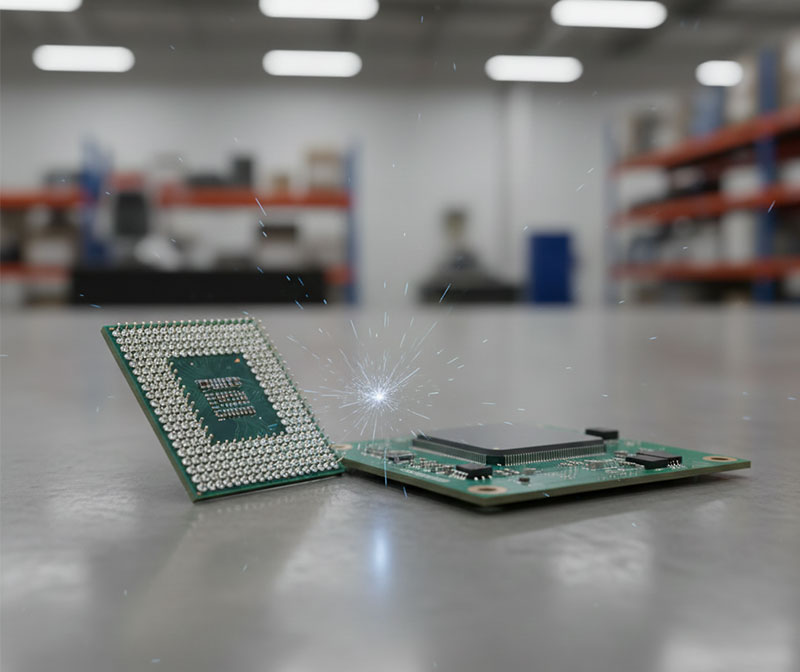
In the electronics industry, your most significant costs may not come from manufacturing processes, but from an invisible enemy: Electrostatic Discharge (ESD). A single precise PCB, a high-end chip, or sensitive components can suffer latent damage during shipping or handling due to static electricity, leading to product failure "without cause" on the customer's end. This hidden damage not only causes high warranty returns and repair costs but also severely damages brand credibility.
Yunlun Packaging Materials has specialized in precision packaging for years, and we understand the criticality of ensuring your ESD Sensitive Devices (ESDS) are perfectly protected. This guide serves as your technical blueprint, detailing the three critical anti-static foam protection levels and showing you how to select the optimal electronics packing foam solution based on your product's sensitivity. Take action now to minimize your packaging risks to zero.
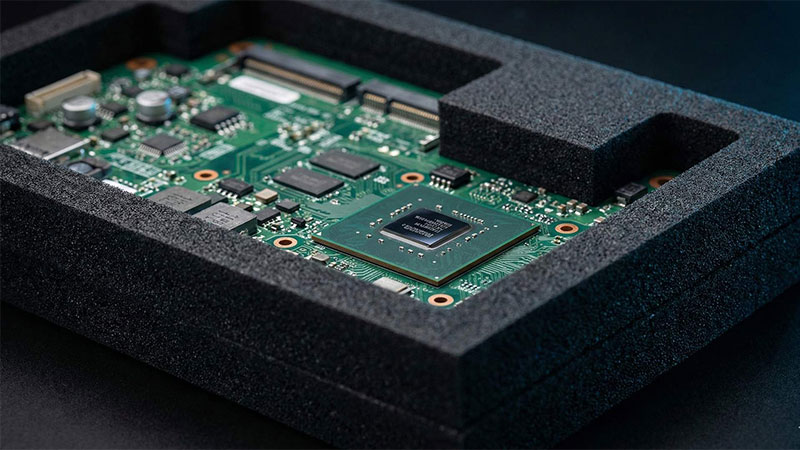
Mastering ESD Protection Levels for Electronics Packing Foam
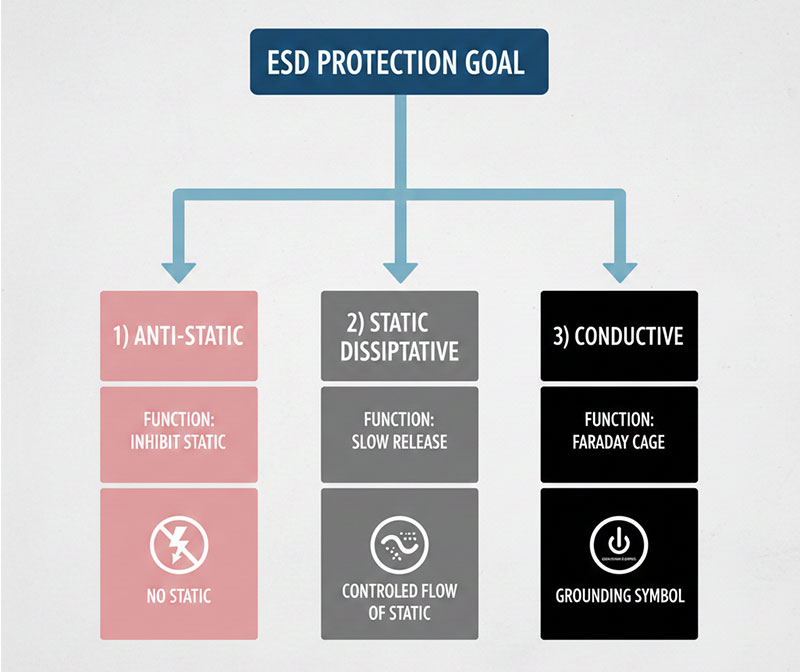
Choosing the correct electronics packing foam hinges on understanding which level of static protection your components require. We divide ESD foam materials into three grades, which differ based on how they handle static charges and their surface resistivity.
Risk of Wrong Choice: A low-grade anti-static foam cannot protect extremely sensitive chips; conversely, an incorrectly used conductive foam can risk short-circuiting components.
Quick Guide to ESD Foam Material Functionality
| Protection Level | Color Code (Industry Standard) | Surface Resistivity (Ω/sq) | Function and Purpose (Foam Action) | Suitable Packaging Use |
|---|---|---|---|---|
| Anti-Static | Pink | >1012 | Only inhibits static electricity generated by friction (Tribocharging). | Packaging non-sensitive accessories, padding, used as the outermost layer of defense. |
| Static Dissipative | Gray / Black | 105 to 1012 | Safely and slowly guides static charges away from the component. | Direct contact liners for most ESD sensitive components (PCBs, sensors). |
| Conductive | Black | < 105 | Creates a Faraday Cage effect, rapidly drawing charges away for maximum protection. | Extreme-sensitivity components (Military/Aerospace), instrument case liners. |
Pro Tip: In electronics packaging, Static Dissipative Foam is often the most common and balanced choice, as it provides protection while minimizing the risk of accidental short-circuiting the component.
Practical Solutions: ESD Application Analysis of Core Foam Materials
Selecting the right electronics packing foam involves looking beyond the color and considering its chemical structure, density, and closed/open-cell properties. Yunlun offers three core foam materials to meet various needs for impact, cushioning, and ESD protection.
EPE (Expanded Polyethylene) and Its ESD Variants
EPE (Expanded Polyethylene) is a powerhouse in electronic packaging due to its excellent cushioning, lightweight nature, and moisture resistance.
-
Basic Properties
: EPE features a closed-cell structure, meaning it doesn't absorb water and offers superior shock absorption, making it an ideal material for EPE cushioning inserts. -
ESD Solutions
: Anti-static agents or conductive carbon can be added to EPE, creating the most widely used ESD foams:-
Pink Anti-Static EPE
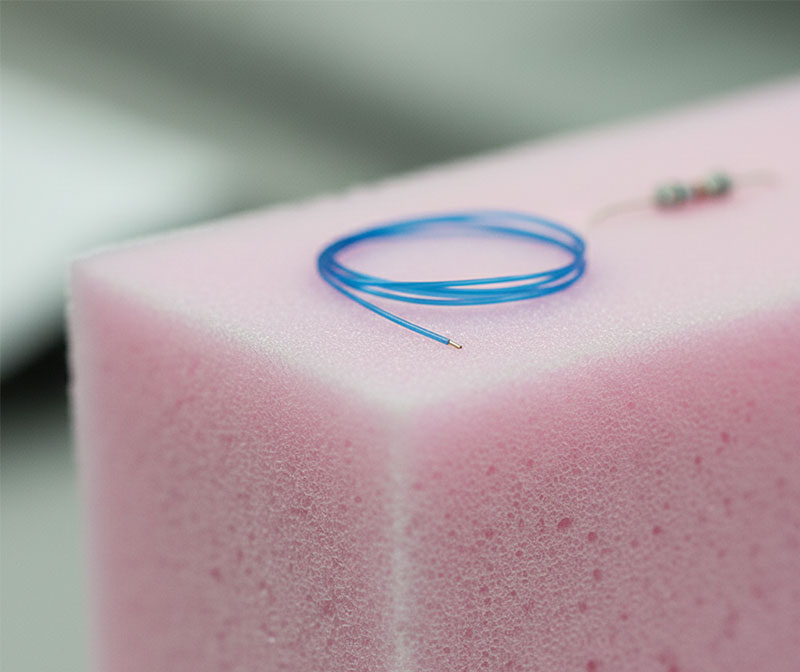
: The most cost-effective option, used for packaging electronic product's non-sensitive accessories or as general protection within shipping cartons. -
Black Conductive EPE
: Provides medium to high-level conductive protection, commonly used as an electronics packing foam to provide a safe conductive path.
-
-
Key Advantage
: EPE is recyclable, aligning with the ESG (Environmental, Social, and Governance) goals of many electronics manufacturers
XLPE/IXPE (Cross-linked Polyethylene): High Precision and Cleanliness
XLPE (Cross-linked Polyethylene) is the premium version of EPE, suitable for electronic applications requiring the highest precision and cleanliness.
-
Structural Advantage
: XLPE uses a cross-linked closed-cell structure, resulting in finer, smoother, and dust-free surfaces, making it ideal for XLPE/IXPE cross-linked polyethylene inserts. This is critical for highly sensitive electronic components like sensors or optical devices. -
High-Precision Fabrication
: Due to its high structural stability, XLPE is the ideal material for Water Jet Cutting or high-precision CNC cutting, allowing for the creation of extremely precise custom inserts that ensure components fit perfectly without any movement. -
ESD Application
: XLPE is often used for manufacturing high-value conductive or static dissipative liners for reusable instrument cases or expensive testing equipment packaging, offering top-tier protection.
PU (Polyurethane): Soft Cushioning and Presentation
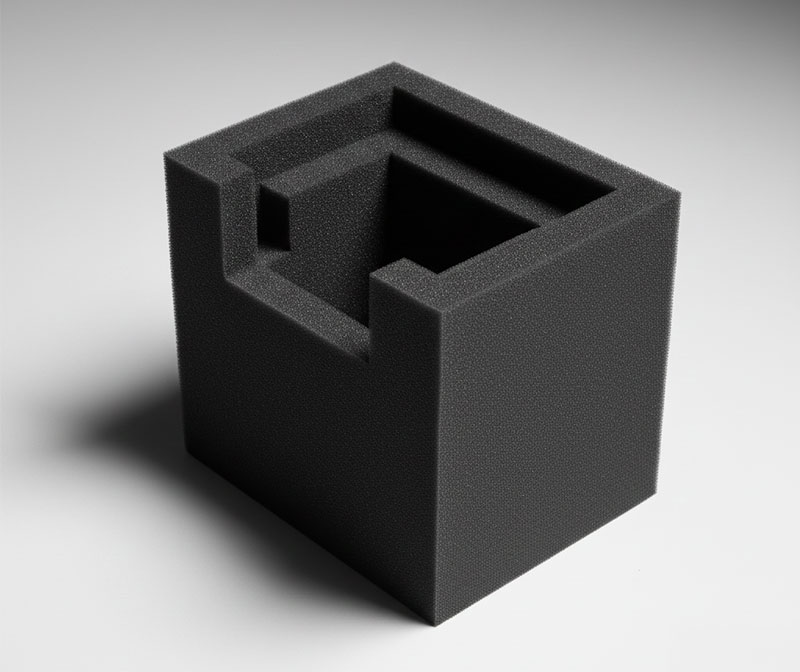
PU (Polyurethane) foam material plays a unique role in electronics packaging due to its high softness and moderate price point.
-
Structural Properties
: PU has an open-cell structure, making it very soft and highly resilient. This makes it suitable for lightweight, appearance-sensitive electronic products. -
Application Scenarios
:
-
Surface Protection
: Due to its very low density and softness, it is often used as a top-layer liner or lid insert (Convoluted/Egg-Crate Foam) to prevent scratches or pressure points on the product's surface during transit. -
Presentation Use
: It is frequently used in gift boxes or display packaging for consumer electronics, providing a high-quality aesthetic.
-
-
ESD Challenge
: Basic PU foam can easily generate static through friction. Therefore, PU used for electronics must be chemically treated to become Static Dissipative PU before it can safely contact sensitive components.

From Design to Supply Chain: Yunlun's Customization and Compliance Edge
Simply choosing the correct ESD material is only the first step. To achieve truly zero-damage packaging, you need a partner who can translate material knowledge into precision design and a reliable supply chain.
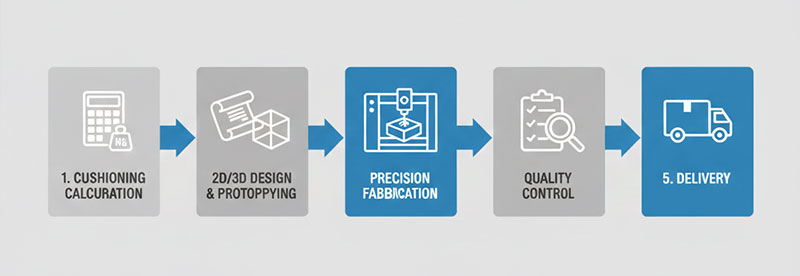
Custom Design and Precision Fabrication
Electronic products come in all shapes and sizes, and there is no "one-size-fits-all" solution. We provide precise custom services to ensure your product is perfectly secured.
-
Starting Point
: Cushioning Calculation: Our engineers calculate the necessary cushioning factor based on your component's weight, sensitivity, and potential drop height. This determines the required density and thickness of the foam, rather than just filling the void. -
High-Precision Fabrication Techniques
:
-
CNC Cutting
: Suitable for complex 3D shapes and lower-density materials, offering extreme precision and minimal material waste. -
Water Jet Cutting
: Especially applicable for cross-linked foams like XLPE, capable of creating extremely smooth, dust-free, and fine cut surfaces, which is crucial for optical or medical electronic components. -
Die-Cutting
: Applicable for high-volume, repetitive 2D insert shapes, offering a significant cost advantage.
-
Professional Certification and Supply Chain Compliance
In the electronics industry, packaging materials must not only protect the product but also comply with international standards and corporate ESG commitments.
-
ESD Performance Certification
: Our ESD foam products are rigorously tested and comply with international standards, including ASTM D257 (DC Resistance Test) and EIA-541 (ESD Packaging Material Standards), ensuring that conductivity and dissipation rates meet industry specifications. -
Environmental and Recyclability Advantage
: We understand the electronic manufacturer's need for sustainability. Our featured EPE and XLPE are recyclable materials, offering an eco-friendly choice superior to traditional EPS foam, helping your business meet environmental procurement goals. -
Reliable Supply Chain
: Consistency in ESD products is paramount. We provide stable material supply and strict batch quality control to support your continuous production and fast delivery needs across Asia.
Ready to Upgrade Your ESD Protection? Contact Our Foam Specialists
Your electronic products deserve the highest level of protection. Selecting the electronics packing foam is a technical decision that impacts your product quality, return rates, and brand reputation. Yunlun offers not just materials, but a full suite of solutions from cushioning calculation to precision fabrication.
Stop Guessing, Start Protecting Precisely.
Whether you require high-grade conductive XLPE liners or cost-effective static dissipative EPE, Yunlun can design the perfect packaging for you.Contact Yunlun Expert Consultant Today ! Get a free, custom ESD foam sample and cushioning design consultation tailored to your electronic components.
Want to learn about foam packaging applications in other industries? Click here to view our Types of Packaging Foam Master Guide.


